Aquarium Soil: Why Your Plants Need It
8 min read · 2026-11-10
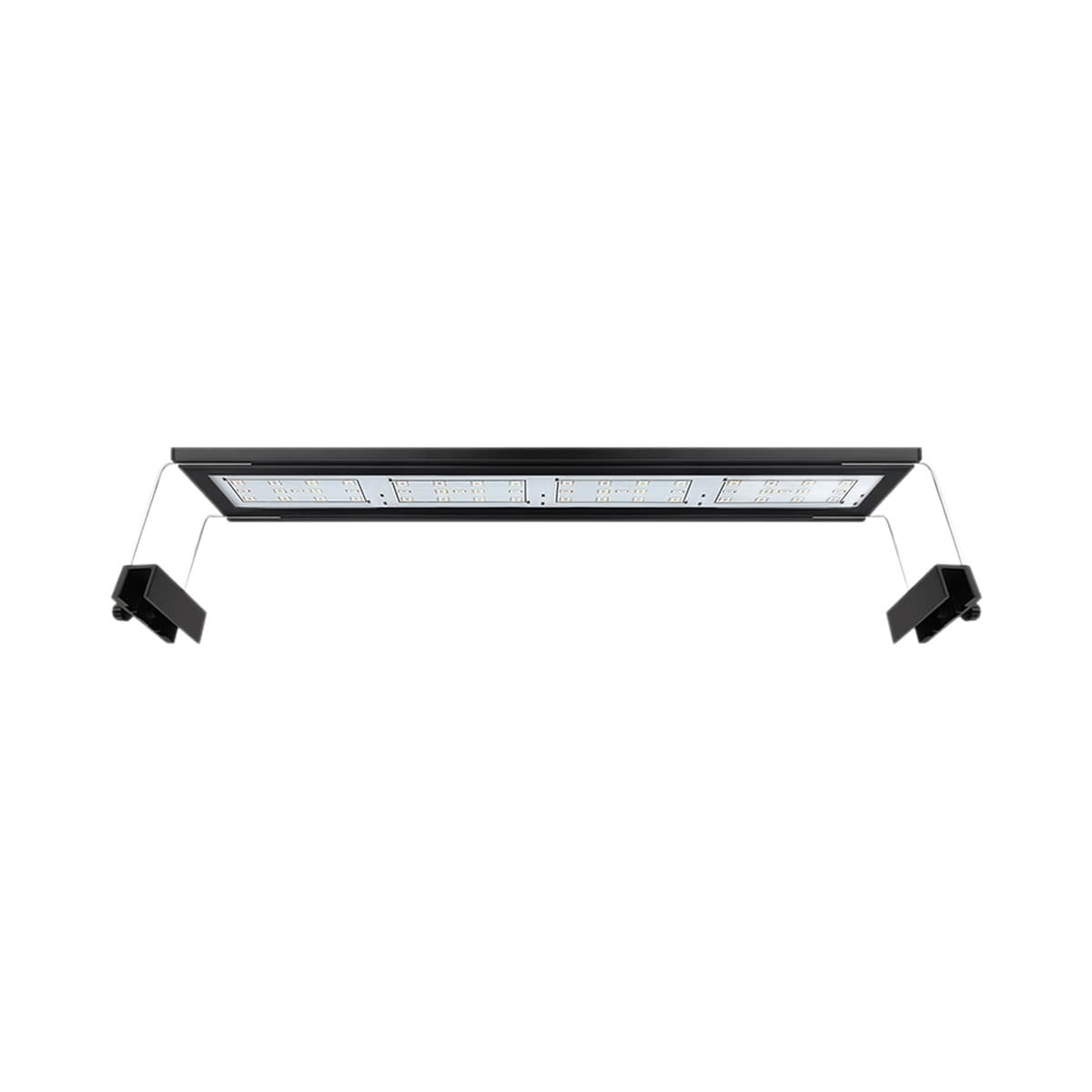
The gear this guide is about
Aurora Smart 78 — RGB App-Controlled LED
$80
What Aquarium Soil Does for Plants
Aquarium soil is not garden dirt. It's an engineered substrate, purpose-built for planted tanks. If strong plant growth is your goal, this is often the best choice. It appears as small, dark granules, typically baked clay or volcanic ash. Unlike inert options such as sand or gravel, it's packed with nutrients and actively benefits your aquatic plants. Its primary function is to feed plant roots. These soils come loaded with essential macro and micronutrients. Plants absorb these directly, which fuels faster, stronger growth. Consider it a slow-release fertilizer embedded within your substrate. This targeted nutrient delivery helps plants establish quickly, significantly reducing the need for constant liquid fertilization, particularly in the early stages. Aquarium soil also impacts water chemistry. Many varieties buffer water, effectively lowering pH and softening it by reducing both GH and KH. This provides a huge advantage for popular aquatic plants originating from soft, acidic environments. It creates a more natural, stable habitat. The granular structure is key. It's porous, allowing excellent water circulation around plant roots. This porosity also offers a massive surface area for beneficial bacteria. These bacteria are crucial for the nitrogen cycle, breaking down waste and maintaining clean water for all tank inhabitants. A healthy bacterial colony within the substrate directly supports a healthy planted ecosystem. Unlike inert sand or gravel, aquarium soil actively participates in your tank's biology. It forms a foundation for thriving aquatic plant life.Aquarium Soil Trade-Offs: Benefits and Realities
Choosing aquarium soil is a deliberate decision for your planted tank. It offers clear benefits, but also presents realities you must understand.Benefits
The biggest draw is supercharged plant growth. Plants rooted in these substrates often display explosive growth, lush foliage, and vibrant colors. Readily available nutrients mean plants struggle less, particularly during the crucial initial weeks. This helps many plants establish, even demanding carpet varieties. The natural buffering effect is another significant advantage. If your tap water is hard with a high pH, aquarium soil can reduce those numbers. This creates ideal conditions for sensitive plants and certain fish species. It saves you the hassle and expense of constantly adjusting water parameters. Its porous nature promotes strong root development. Roots easily penetrate the granules, anchoring plants firmly and efficiently accessing nutrients. Good root health equals overall plant health. Many aquascapers also prefer its aesthetic: the dark color makes green plants pop, offering a clean, professional look.Downsides and Realities
Cost is the immediate downside. Aquarium soil is significantly more expensive than basic sand or gravel. For larger tanks or tight budgets, this can be a hurdle. You are paying for engineered performance. A critical reality is the initial ammonia spike. Most aquarium soils leach ammonia into the water when first submerged. This is normal. However, you must cycle your tank thoroughly before adding fish or sensitive invertebrates. Skipping this step guarantees ammonia poisoning and dead livestock. Patience during cycling is not optional. Aquarium soil can also get messy if disturbed. Its granules are softer than gravel. Aggressive planting, replanting, or gravel cleaning kicks up fine particles, temporarily clouding water and breaking down the granules, which reduces effectiveness. Gentle handling is key. Lastly, aquarium soil has a finite lifespan. It provides nutrients for some years; buffering might last longer. It will eventually deplete. At that point, you need root tabs or a full substrate replacement. This is a major project. It's not a set-and-forget solution.Setting Up Your Tank Right with Aquarium Soil
Setting up a new planted tank with aquarium soil demands a specific approach for success. Ignoring these steps leads directly to cloudy water, unstable parameters, and unhappy plants. Do not wash aquarium soil. This is a common mistake. Washing breaks down granules, releases nutrients prematurely, and creates mud. It also makes initial water filling much cloudier. Just open the bag and pour it directly into your empty tank. Consider substrate layers. Most tanks require a sufficient depth of aquarium soil. This depth provides plants ample room for root growth and a robust nutrient reservoir. Some hobbyists cap the soil with a thin layer of fine sand or very small gravel. This capping prevents disturbance, contains nutrients, and offers a cleaner aesthetic. If you cap, ensure the layer remains thin enough for roots to reach the soil below. When adding water, go slow. Place a plastic bag, plate, or plastic wrap on top of the substrate. Gently pour water onto this surface, allowing it to slowly overflow onto the soil. This method prevents water from rushing in and stirring up the substrate. Even with care, expect some initial cloudiness; it will settle in a few hours or a day. The cycling process is crucial. New aquarium soil releases ammonia. Allow your tank to fully cycle, ammonia to nitrite, then to nitrate, before adding any livestock. This usually takes several weeks. Monitor water parameters closely with a test kit. Do not rush this step. An uncycled tank is a death trap for fish, especially with soil. Planting in aquarium soil is easier than in inert substrates. The granules are soft enough for roots to penetrate easily. Use long tweezers to gently push plant stems and roots into the soil, minimizing disturbance. Plant densely from the start. This helps absorb the initial nutrient flush and establishes a stable ecosystem.Maintaining a Planted Tank on Aquarium Soil
Once your tank is set up and cycled, routine maintenance is key. Rules for soil differ from bare-bottom or inert gravel tanks. Water changes are essential, but how you do them matters. Siphon gently. Do not dig deep into the aquarium soil as you would with gravel. Aggressive gravel cleaning breaks down granules, releases trapped detritus, and creates a mess. Hover the siphon just above the soil surface. Gently suction up loose debris or fish waste. If you use a sand cap, you can clean it more robustly, but still avoid penetrating the soil layer beneath. Aquarium soil provides nutrients for a finite period. After some years, its primary nutrient content will deplete. Plants will then show signs of deficiency, such as yellowing leaves or stunted growth. Root tabs are your solution. Push these capsules of concentrated fertilizer directly into the substrate near plant bases. They replenish nutrients locally. Replanting or moving plants can be messy. If rearranging, proceed slowly and carefully. Pulling plants out kicks up fine particles. For major rescapes, perform them during a large water change; this removes stirred-up particles immediately. For minor adjustments, use tweezers to minimize disturbance. Eventually, after several years, the soil will become fully exhausted, compact, and may lose its buffering capacity. A full tank breakdown and substrate replacement might then be necessary. This is a big job, but it's part of a high-tech planted tank's lifecycle. Some hobbyists run tanks for many years with root tabs, though the physical structure of the soil eventually degrades.Types of Aquarium Soil
Understanding general types of aquarium soil helps you choose the right one. Most fall into a few categories based on their composition and properties. Common types are baked clay granules. These are porous, allowing both root penetration and bacterial colonization. Often dark brown or black, they contrast well with green plants. The baking process makes them durable, yet still soft enough for roots. Many clay-based soils boast good cation exchange capacity (CEC). This means they absorb and release nutrients, actively buffering your water. Other types derive from volcanic rock or ash. These share many characteristics with baked clay, providing high porosity and ample surface area. They are nutrient-rich, often lowering pH and softening water. Their dark appearance is also aesthetically preferred. Some soils focus on strong buffering, specifically aiming for a low pH range and soft water. Others are "less active," providing nutrients but with milder effects on water parameters. If your tap water is hard and you want demanding soft-water plants, a strongly buffering soil is essential. However, if your tap water is already soft and acidic, a less aggressive soil might prevent pushing parameters too low. Nutrient content also varies significantly. Some are very rich, ideal for heavily planted tanks and fast growth, though they come with a more pronounced initial ammonia spike. Others offer a more balanced, slower release, which is gentler for beginners but requires earlier root tab supplementation.Is Aquarium Soil Worth It?
This is the big question. The blunt answer: for most dedicated planted tank enthusiasts, yes, aquarium soil is absolutely worth the investment. If your goal is a lush, vibrant planted aquarium with minimal hassle, aquarium soil provides a significant head start. It offers the ideal foundation for almost all aquatic plants, supplying essential nutrients directly to roots and creating favorable water chemistry. This translates to healthier plants, faster growth, and fewer nutrient deficiencies. For serious aquascaping or demanding plant species, it's often a requirement. It's not the only way. For a tight budget or easy, low-light plants that primarily absorb water column nutrients, consider alternatives. A "dirted tank" with organic potting soil capped with sand offers nutrients cheaply. However, it's messier, more prone to issues, and demands advanced management. Root tabs in plain sand or gravel are another option for basic plants, but rarely achieve the same robust growth as dedicated aquarium soil. If you're setting up a fish-only tank with no live plants, or for fish that dig and rearrange substrate (like many cichlids), aquarium soil is probably a waste of money. Its benefits are specifically for plant growth and water conditioning in planted environments. Consider your priorities. If you desire a thriving, beautiful planted tank and are willing to invest in its foundation, aquarium soil delivers. It simplifies plant care by providing a stable, nutrient-rich environment. Yes, it costs more upfront. Yes, you need patience during cycling. But the results for your plants often speak for themselves. You invest in performance and easier plant keeping long-term.Gear to start with
These are the pieces this guide is about, all in stock:
Quick answers
- Do I need to wash aquarium soil before use?
- No, washing aquarium soil is generally not recommended as it can break down the granules and release nutrients too quickly, clouding your water.
- How long does aquarium soil last?
- Aquarium soil provides essential nutrients for a finite period, though its buffering capacity may diminish sooner than its nutrient supply.
- Can I use aquarium soil with fish?
- Yes, but be aware that aquarium soil often releases ammonia initially. Cycle your tank thoroughly before adding any fish to prevent harm.
- Is aquarium soil better than sand or gravel for plants?
- For most aquatic plants, yes. Aquarium soil offers a nutrient-rich environment and better root support compared to inert substrates like sand or gravel.