CO2 for Beginners: Simple Planted‑Tank Setup
5 min read · 2026-10-20
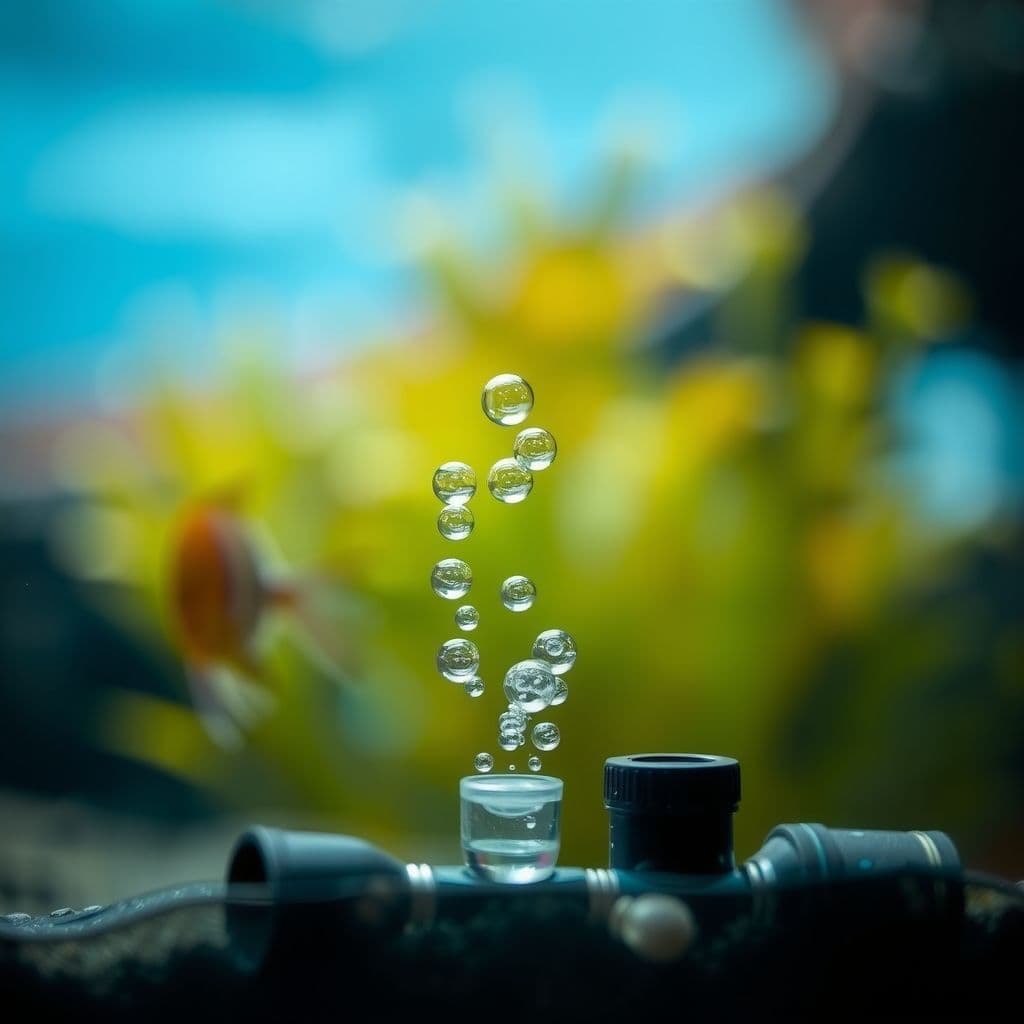
What does a beginner need to start CO2 injection?
A pressurised CO2 kit is the cheapest reliable start. It costs about $110 and includes everything you need. The CO2 Starter Kit - Regulator, Diffuser & Checker provides a dual‑gauge regulator with solenoid, an inline atomiser diffuser, and a glass drop checker with 4 dKH solution. The kit does not include the refillable cylinder, which you must purchase separately.
If you already have a cylinder, the kit is the most straightforward purchase. It gives you:
- Working pressure gauge for fine tuning.
- Solenoid control for timer integration.
- Inline atomiser that creates fine bubbles without pre‑soak.
- Drop checker to visualise CO2 saturation.
All parts are metal or glass, so they last years with basic maintenance.
How much should I spend on a beginner CO2 system?
Typical costs are listed in US dollars. Prices reflect current market rates.
- CO2 Starter Kit, $109.95. Includes regulator, diffuser, and drop checker.
- Separate Dual‑Gauge Regulator + Solenoid, $65.95. Useful if you already own a diffuser.
- Standalone Inline Atomiser Diffuser, $39.95. Good for upgrades or replacements.
- Glass Drop Checker + 4 dKH Solution, $18.95. Cheap add‑on if you need a second visual gauge.
- Bubble Counter + Check Valve Set, $21.95. Adds bubble count and prevents backflow.
- CO2 Solenoid Valve, 12 V, $32.95. Enables timer control without a built‑in solenoid.
- Airline Tubing, 25 ft, $11.95. Connects regulator to diffuser.
Adding a regulator ($65.95) plus diffuser ($39.95) and tubing ($11.95) totals $117.85, only $8 more than the starter kit. If you already own any component, mix‑and‑match to keep costs down.
DIY kits are cheaper on paper but add complexity. The DIY CO2 Generator Kit, 2 L Stainless sells for $65.95 and includes a 2 L stainless bottle, a valve body tested above 50 kg/cm², and safety release above 30 kg. It produces up to 3 kg of CO2 per hour. For a 20‑gal beginner tank the output is excessive and the chemical reaction can be unstable.
How do I set up a basic pressurised CO2 system?
Follow these steps. All parts are from the list above, so you won't need extra items.
- Mount the refillable CO2 cylinder on a sturdy base near the tank.
- Attach the Dual‑Gauge Regulator + Solenoid to the cylinder valve. Tighten by hand, then give a quarter turn with a wrench.
- Connect Airline Tubing to the regulator's outlet. Push the tubing onto the barbed fitting until it seats fully.
- Secure the Inline Atomiser Diffuser to the other end of the tubing. The diffuser fits 16/22 mm tubing; the provided tubing is compatible.
- Place the diffuser near the substrate, preferably at the back of the tank where water flow is gentle.
- Install the Glass Drop Checker on the tank glass using the suction cup. Fill the chamber with the supplied 4 dKH solution.
- Open the cylinder valve slowly. Adjust the working pressure gauge until you see a steady stream of bubbles from the diffuser. Typical beginner settings are 1.0–1.2 psi.
- Turn on the solenoid (or connect a timer) so CO2 runs only when the lights are on.
After the first day, watch the drop checker. If the solution turns blue, CO2 is too low. If it turns green, you are near saturation. Aim for a light blue color, indicating about 20–30 ppm CO2.
How do I monitor and adjust CO2 levels?
The drop checker is the simplest visual tool. It reacts within minutes, letting you fine‑tune the regulator on the spot. For more precise control, add a Bubble Counter + Check Valve Set. The glass counter shows bubbles per minute; most beginners target 1–2 bubbles per second (60–120 bpm) for a 20‑gal tank.
Adjust the regulator by turning the small knob on the working‑pressure gauge. Small turns change the flow noticeably. Remember:
- Increase flow if the drop checker stays clear or pale green.
- Decrease flow if the solution turns deep green or if fish show signs of stress.
- After any water change, re‑check the gauge. New water can shift pH and affect CO2 solubility.
Use the solenoid valve to shut off CO2 when lights are off. This prevents excess buildup and saves gas.
Is a DIY CO2 generator a good alternative for beginners?
The DIY kit looks attractive because the upfront price is $65.95, lower than a regulator‑diffuser combo. However, the chemical reaction that produces CO2 is less stable than a pressurised cylinder. The kit delivers up to 3 kg of CO2, far more than a 20‑gal tank needs. Over‑production can cause pH crashes and fish loss.
If you already have a reliable cylinder, the DIY system adds unnecessary risk. If you cannot afford a cylinder, start with the regulator‑diffuser combo and buy a small 2‑lb cylinder later. The cylinder cost is a one‑time expense; refills are cheap and predictable.
In short, the DIY option is only worth it for hobbyists who enjoy tinkering and can monitor pH constantly. For most beginners, the starter kit or a regulator‑diffuser pair is the safer, more consistent choice.
What are the trade‑offs between cheap and complete setups?
A bare‑bones system (regulator + diffuser) can run for under $110 if you already own a cylinder. Adding a drop checker ($18.95) and bubble counter ($21.95) brings the total to $150, but gives you visual feedback and bubble count. The full starter kit bundles all three for $109.95, saving $30 compared to buying separately.
Cheaper alternatives like the DIY generator reduce initial spend but increase maintenance and risk. A complete pressurised system costs a bit more but offers stable output, easy adjustments, and predictable refill costs.
My recommendation: buy the CO2 Starter Kit if you are starting from scratch. It gives you the regulator, diffuser, and drop checker in one package for $109.95. Add a bubble counter later if you want more data.
With the right setup, CO2 will boost plant growth, improve colour, and keep algae in check. The system is simple enough that a beginner can install it in an afternoon and start seeing results within a week.
Gear to start with
These are the pieces this guide is about, all in stock:
Quick answers
- Do I need a pressurised CO2 cylinder for a beginner tank?
- A small pressurised cylinder with a regulator is the most reliable start; DIY generators are optional and less consistent.
- How often should I check my CO2 levels?
- Check the drop checker daily and adjust the regulator weekly or after major water changes.
- Can I use airline tubing for CO2?
- Yes, standard 3/16" PVC airline tubing works fine for low‑flow setups.
- Is a solenoid valve necessary?
- It lets you run CO2 on a timer, preventing waste and protecting fish when lights are off.